
You rake on Saturday, rain arrives Sunday, and by Monday the leaves are plastered against the grass again. Meanwhile, the front steps are slippery, and the planting beds have caught another layer. Choosing a fall leaf removal service in Rhode Island starts with knowing which leaves to keep and which to remove. Dry, scattered leaves may be fine to mow into the lawn. Collected leaves offer material for composting, while deep, soggy buildup calls for removal.
Compare mulching, composting, and fall leaf removal service in Rhode Island. Choose an approach for wet lawns, garden beds, paths, and heavy buildup.
Here’s how to judge the coverage, protect your plants, and choose a practical approach before another round of leaves fills the yard.
Start where the leaves stop moving. The middle of your lawn might have a light scattering, while the space behind the shed holds a wet pile several inches deep. Walk the yard before choosing your cleanup method, paying particular attention to the downwind side of fences, the bottoms of slopes, and narrow gaps between shrubs. Those collection points often need attention or expert fall leaf removal service in Rhode Island before the rest of the property.
On the lawn, lift a handful of leaves rather than judging the surface alone. A crisp top layer may hide flattened, damp leaves underneath. If they separate easily and you can see grass between them, mulching may still be practical. If they peel back together like a wet placemat, collect the buildup. Leaving leaves on the lawn over winter matters more when a solid covering stays pressed against the grass than when a few loose leaves blow across it.

In planting beds, look for what has disappeared beneath the leaf cover. There’s a difference between leaves resting on open soil under an established shrub and a pile swallowing a small plant beside it. Gently uncover low foliage and plant crowns, then decide where to remove excess material.
Finish by walking your usual routes: the front steps, the path to the trash bins, and the edge of the driveway where you step out of the car. Clear leaves hiding stair edges or collecting over drain grates first. Organizing your Rhode Island fall cleanup around these specific trouble spots gives you a useful order of work, even while the trees are still shedding.
A mower might chop every leaf in its path and still leave too much material behind. Successful mulching leaves small fragments between the grass blades, with the lawn clearly visible afterward. If the surface still looks like a carpet of leaves, reduce the volume.

Choose a relatively dry day and test a short strip first. Clear away twigs, follow your mower’s mulching instructions, and check what’s left behind before mowing the rest of the yard. Dry leaves should break into smaller pieces rather than fold together into damp clumps. A second pass in another direction may break up larger fragments, but extra mowing won’t solve every buildup problem.
Watch the result as you work:
Mulching and removal often belong in the same cleanup plan. If a few heavily covered areas keep turning a short mowing job into hours of collection and bagging, a fall leaf removal service in Rhode Island offers a practical way to manage the excess.
Composting fall leaves is practical when you have room for a pile or bin and a use for the finished material. Gather leaves from the lawn and hard surfaces, then remove plastic, litter, and other debris.
Dry leaves supply carbon, often called the “brown” portion of compost. Fruit and vegetable scraps, coffee grounds, and untreated grass clippings supply nitrogen-rich “greens.” Mixing suitable materials creates better conditions for decomposition than packing dry leaves together alone.
For a starting balance, the EPA advises at least two to three volumes of browns for each volume of greens. Keep the mixture about as damp as a wrung-out sponge, and turn it occasionally to introduce air. Avoid pet waste, diseased plants, and herbicide-treated clippings.

Think about capacity before committing your entire leaf collection to composting. A small tumbler may suit kitchen scraps but fill quickly during a major leaf drop. Unlike leaving leaves across the grass, composting concentrates the material in a managed space. Breakdown time varies with moisture, temperature, ingredients, and attention.
Raking the open lawn is often the easiest part of fall cleanup. The slower work comes afterward: pulling wet leaves from beneath hedges, gathering drifts along retaining walls, and hauling away everything you’ve collected. When several mature trees keep refilling those spaces, a rake and a few lawn bags quickly become an entire weekend’s project.
At Rhode Island Landscaping & Design, we start by identifying where leaves have accumulated and which planting areas need extra lawn care. We use commercial backpack blowers, leaf vacuums, rakes, and tarps to gather the buildup, then load and remove the collected debris.
Our leaf removal services cover the places that make seasonal cleanup difficult:
Request a free estimate and point out the areas that keep filling up, along with any plants or garden beds you want us to pay particular attention to.
A tidy lawn doesn’t require bare soil beneath every shrub. Leaves retained in suitable planting areas provide ground cover and shelter for overwintering insects. Whole leaves preserve more of that habitat than shredded material.

Before removing leaves from garden beds, gently lift the top layer and inspect underneath. Look for small plants, evergreen foliage, and the crowns where stems meet the soil. A loose covering between established shrubs is different from a dense pile burying a smaller plant.
Move excess leaves away from stems and trunks, and thin out soggy mats rather than pressing them farther into the bed. Thick layers that remain excessively wet may create problems around plantings.
Use a hand rake or collect leaves carefully around delicate growth. Before professional fall leaf removal service in Rhode Island, point out plants you want protected and areas where you’d prefer suitable leaf cover to remain.
Your front lawn, back fence, and shrub beds may need three different approaches on the same afternoon. Instead of deciding to bag everything or mulch everything, divide your fall yard cleanup into smaller jobs based on leaf depth, moisture, and the space available to reuse what you collect.
Start with the areas you walk through daily, then assess the lawn and planting beds:
For example, a yard with scattered leaves out front and several large trees behind the house might need a quick mowing pass in one area and collection and hauling in another. You could reserve a manageable portion for composting while leaving suitable cover beneath established shrubs.

When requesting an estimate from Rhode Island Landscaping & Design, describe those separate jobs. Tell us where you plan to mulch, what you’re keeping for compost, and which piles need removal. That gives us a clearer picture of the work you want included.
The biggest task often starts after the raking: gathering scattered piles, loading bags, and figuring out how to move everything away. Rhode Island Landscaping & Design includes collection and hauling in our fall leaf cleanup services.
We identify planting areas that need care, gather leaves from lawns and landscaped spaces, and load the collected debris for removal. Commercial blowers, leaf vacuums, rakes, and tarps let us work across open areas and tighter spaces around shrubs.
Request a free estimate and tell us where leaves keep collecting. We’ll discuss what your yard needs, including which areas to clear and any planting beds where you want to retain suitable cover.
When you think of landscaping, you might picture lush green lawns, colorful flower beds, and neatly trimmed hedges. But have you ever wondered why sustainable landscaping is important? It goes beyond just making your yard look nice—it’s about creating outdoor spaces that are both beautiful and kind to the environment.
Sustainable landscaping is a way to design and maintain your garden or yard so that it uses resources like water, soil, and plants more efficiently. This means that while you’re enjoying a stunning outdoor space, you’re also doing your part to protect the planet.
By adopting sustainable landscaping practices, we can conserve water, reduce waste, promote biodiversity, and support our local ecosystems. Let’s dive into how these practices can transform your outdoor space into a thriving, environmentally friendly haven.
Sustainable landscaping is the practice of designing and creating outdoor spaces with the goal of minimizing environmental impact. Unlike traditional landscaping, which often relies heavily on chemical pesticides, synthetic fertilizers, and excessive water usage, sustainable landscapes focus on conserving resources, promoting plant health, and supporting local wildlife.

One of the key principles of sustainable landscaping is water conservation. Given the increasing challenges of water scarcity in many regions, it’s vital to conserve water and make the most of every drop. Efficient irrigation systems, such as drip irrigation and sub-surface irrigation, play a crucial role in saving water while keeping plants healthy. Additionally, harvesting rainwater and using permeable pavers or rain gardens help manage water runoff and reduce the strain on local water supplies.
To create and design a landscape that is truly sustainable, there are several key principles to keep in mind:

As mentioned earlier, water conservation is a cornerstone of sustainable landscaping. By implementing eco-friendly practices like drip irrigation, sub-surface irrigation, and efficient irrigation systems with well-placed irrigation heads, you can dramatically reduce water usage. Drought-tolerant plants and native plants that are adapted to the local climate further support this goal, as they require minimal watering once established.
Soil health is another critical component of sustainable landscaping. Healthy soil is rich in organic matter, which improves its water-holding capacity and provides valuable nutrients to plants. Adding organic materials like compost or grass clippings to your soil can help maintain its fertility and reduce the need for synthetic fertilizers. Organic mulches like wood chips also help retain moisture, suppress weeds, and enhance soil structure.
Incorporating a diverse range of native plants into your landscape design not only adds beauty and variety but also supports local ecosystems. Native plants are better adapted to the local climate, making them more resilient to plant pests and diseases. They also provide essential food and shelter for local wildlife, including pollinators like bees and butterflies.
Reducing waste is a fundamental aspect of sustainable landscaping. By reusing materials like recycled concrete and permeable pavers, you can create eco-friendly outdoor spaces while minimizing your environmental footprint. Additionally, practices like composting grass clippings, leaves, and other organic material can significantly reduce the amount of waste that ends up in landfills. These materials can be used to enrich your soil, providing a sustainable source of nutrients for your plants.
Creating a sustainable landscape involves several practical steps that anyone can implement, whether you’re a homeowner or managing commercial properties. Here are some common sustainable practices that can make a significant difference:
As discussed, proper plant selection is vital in sustainable landscaping. Choosing the right plant means selecting native plants and drought-tolerant species that thrive in your local environment. These plants require less water, fertilizer, and maintenance, making them an excellent choice for low-maintenance landscapes.
Switching to efficient irrigation systems like drip irrigation or sub-surface irrigation can greatly reduce water usage. These systems deliver water directly to the plant roots, minimizing evaporation and runoff. Regular maintenance of irrigation heads ensures that water is distributed evenly, further conserving this precious resource.
Composting organic waste like grass clippings and food scraps is an effective way to improve soil fertility. Adding organic mulches such as wood chips or straw to your garden beds helps retain moisture, regulate soil temperature, and prevent erosion. These practices contribute to healthier soil and reduce the need for chemical inputs.
Managing pests and weeds in a sustainable landscape involves using organic materials and eco-friendly practices. For example, you can use beneficial organisms like ladybugs to control aphids or employ physical barriers to prevent weeds from taking over your garden. These methods are safer for the environment and promote a more balanced ecosystem.
Incorporating recycled materials into your landscape design is a great way to reduce waste and create unique, eco-friendly outdoor spaces. For example, you can use recycled concrete for walkways or permeable pavers for driveways. These materials not only look great but also help reduce your environmental impact.
Designing a landscape that is sustainable can be a complex process, especially when it comes to selecting the right plants, designing efficient irrigation systems, and maintaining soil health. This is where professional help becomes invaluable. Landscape managers and designers who specialize in sustainable practices bring a wealth of knowledge and experience to the table, ensuring that your outdoor space is both beautiful and environmentally friendly.

By working with a professional, you can benefit from their expertise in sustainable landscape design and their ability to tailor solutions to your specific needs. Whether you’re dealing with clay soils that require special attention or looking to create a wildlife habitat in your backyard, a professional landscaper can guide you through the process and help you achieve your goals.
When you hire a professional landscaper, you’re investing in more than just a beautiful garden. You’re also investing in the long-term health and sustainability of your outdoor space. Professional landscapers can design sustainable landscapes that are tailored to your local climate, soil conditions, and personal preferences. They can also help you select the right plant species, implement efficient irrigation systems, and incorporate drought-tolerant plants that thrive in your area.

Moreover, professional landscapers offer ongoing maintenance services that ensure your sustainable landscape continues to thrive. From managing plant pests to maintaining healthy soil, these experts take the guesswork out of landscaping, allowing you to enjoy a beautiful, low-maintenance garden year-round.
If you’re looking to create an eco-friendly outdoor space that reflects your commitment to environmental stewardship, Landscaping of Rhode Island is your go-to partner. With a deep understanding of sustainable landscaping practices and a proven track record of success, we are well-equipped to handle any landscaping project, whether it’s for a residential property or a commercial facility.

Landscaping of Rhode Island is committed to sustainable practices that prioritize water conservation, soil health, and plant selection. Our team of experts works closely with clients to design and implement sustainable landscapes that are both beautiful and environmentally responsible. By choosing us, you’re not just getting a landscaping service; you’re investing in a sustainable future for your property.
Ready to transform your outdoor space into a thriving, eco-friendly haven? Contact Rhode Island Landscaping & Design a consultation. Our team of professionals will work with you to create a sustainable landscape that meets your needs and enhances your property. Whether you’re interested in incorporating native plants, installing efficient irrigation systems, or creating a wildlife habitat, we have the expertise to bring your vision to life.

Invest in a sustainable landscape today and enjoy the benefits of a beautiful, low-maintenance garden that supports your local environment.
According to a recent survey of real estate agents conducted by Homelight, curb appeal can work wonders for selling your home. A significant part of curb appeal is lawn care. So, if you are making plans to sell your home and you don't have a huge budget, it is a good idea to put some of your money into making sure your lawn looks its best.
Even if you don't plan to sell, keeping your lawn in pristine condition adds value. In addition, keeping your yard manicured gives the impression that you take good care of other parts of your home. Below are five critical tips for lawn care in Rhode Island that can help you improve your curb appeal and boost your home value.
Some homeowners are drawn to artificial turf because it allows their lawn to look healthy and green all year long. Some people don't like for their grass to brown and die in the fall and winter and prefer it to be as beautiful as a golf course all year long. However, installing artificial turf isn't a good option to achieve your desired results. For one reason, it looks like plastic. Instead of giving viewers the impression that you have a well-kept lawn, they may assume that you are cheap. If someone is considering buying your home, they may think that you cut corners in other critical areas of your home and decide that they don't want to look inside. Additionally, fake turf can be detrimental to your soil and lead to environmental pollution. It can also discourage beneficial wildlife and insects from frequenting your home.
Another way to increase the value of your home and add curb appeal is to add trees or some shrubs to your property. But you shouldn't just add any tree to your property. According to a recent article by Home and Gardens Country, the trees you add to your property should be ideal for the place and climate you live in. So, it wouldn't be a good idea for Rhode Island property owners to plant palm trees. Instead, it would be a good idea to plant trees like red maples and white oaks common in the area. Also, mature trees tend to add the most value, yielding an increase of 7 percent or more in price.
While cutting grass and tending the lawn will do the trick, consider installing hardscape like pavers or natural stone if you want to take your curb appeal to a higher level. An inviting entryway creates a nice contrast and makes visitors feel comfortable walking to your door. If they have to walk through grass, mud, or water to get to the entrance of your home, this isn't exactly inviting. Also, if you already have hardscaping that are overgrown with moss or are otherwise tacky, you should consider getting an upgrade to improve curb appeal.

Although mulch can really improve the look of your landscaping by adding another layer of texture, it isn't only for decorative purposes. Mulch can do a great job at keeping weeds and other undesirable, unsightly things from growing on your lawn. There are many types of mulch to choose from, including wood chips, straw, rubber, compost, and pebbles. However, if you want to ensure that your lawn doesn't grow weeds, it may be a good idea to get bark.
Of all the things you can do to improve your curb appeal and add value, cutting your grass and keeping it edged is one of the simplest to do. If you don't currently have the budget to add trees, install hardscapes, or add mulch, getting a landscaping company to come out regularly and keep the grass and other greenery trimmed is enough. It is never appealing to have a house with overgrown grass and unkempt bushes, especially if you want to attract buyers. You can even get a fine, or even worse, get a lien or go to jail for overgrown, unsightly lawns. So, when it comes to landscaping, don't underestimate the power of simply keeping your grass cut and manicured.
Is your lawn in need of tender love and care to improve your curb appeal and add value? Then, you may want to get the help of a trusted landscaping contractor. The experts at Rhode Island Landscaping and Design provide various lawn care services, including design, construction, full-service lawn care, mulching, and more. If you want us to transform your landscape to wow right now, contact us now to learn more about our unbeatable lawn services and get a FREE quote.
To create a beautiful property you love, consider professional landscape design in Rhode Island. A landscape designer works with a property owner to create a specific plan or outline for softscape and hardscape features, taking into account the desired look as well as the property’s layout, soil conditions, and other such factors.
Professional landscape design in Rhode Island costs might average between $2000 and $8000, depending on the property size, amount of landscaping features desired, and work needed to ensure proper soil conditions. These costs might include installation of new landscaping features, while some designers only create plans while landscaping contractors or property owners then follow those plans and install landscape features.
Some homeowners might try to avoid costs for landscape designs in Rhode Island by using online programs, apps, or other tools that create landscaping plans for them, or they might forego preplanning altogether and just start planting flowers and shrubs. While those plantings might look good initially, if you don’t follow a landscaping design, your new plantings are much more likely to wilt before long! Consider some benefits of a professional landscape designer versus trying to DIY your property’s landscaping features.
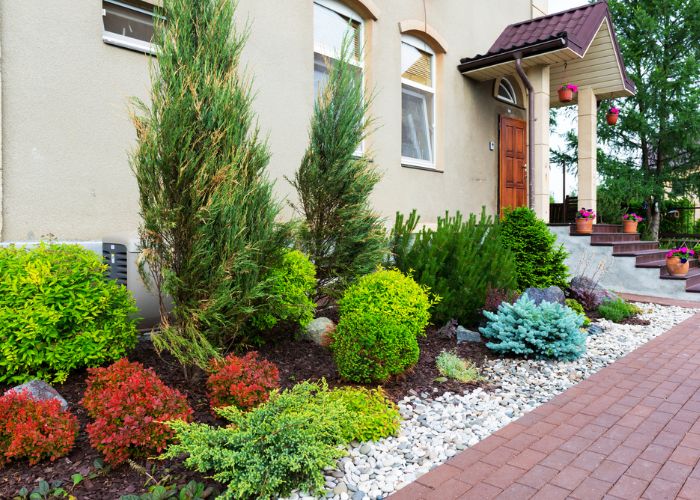
Before you head down to the nursery and start stocking up on flowers and other plantings, or assume you can manage your own landscape design with a smart phone app, you might note some reasons to invest in professional Rhode Island landscape design. Be sure you discuss additional questions or concerns with a landscaping contractor, so you know you’ll be happy with your property for years to come.
While you might hesitate at Rhode Island landscape design costs, remember that these costs are an investment in your landscaping and property. You’ll avoid damage to structures on your property and ensure your plants and flowers thrive when you work with a professional designer.
One great way to ensure the health of your new landscaping features is to work with a Rhode Island landscaping contractor throughout the year. He or she will ensure the health of your flowers, shrubs, and lawn, removing weeds and replacing dead or wilted plants as needed.
It’s also good to keep children and pets away from your home’s landscape features. Pets especially tend to dig around flowers and shrubs, pulling up roots and healthy soil. Pet urine and waste is also very unhealthy for plants and flowers! If you struggle to keep your children and pets away from plantings, use pinecones for mulch, as the uncomfortable shape of these cones acts as a natural barrier around your flowers and greens.
You might not associate grass height with healthy landscaping but grass blades provide shade for your property’s soil while also preventing erosion. Cutting grass too short allows for water runoff and might create dry soil conditions, so that your plants and flowers struggle to grow. Keep grass blades a good two inches tall so your property’s soil stays healthy.

Of all the steps you might take to keep landscaping healthy, mulch delivery and spreading might be one of the most important! Mulch provides a protective barrier for soil against harsh sunlight and erosion, locking in nutrients and moisture. That barrier also provides covering for helpful insects such as worms, which turn over the soil and keep it healthy and aerated.
Mulch also provides a natural contrast between your property’s lawn and landscaping features. If you notice that landscaping groupings don’t seem to “pop,” you might consider a brightly colored mulch, such as cedar wood chips. Bright mulch also provides an anchor for trees, letting the trunk stand out from a lawn and creating a stately look.
Picking up mulch from the home improvement store and spreading it yourself is often more difficult than property owners realize! Mulch is heavy and cumbersome to carry and spreading it around flowers and shrubs is physically taxing, not to mention difficult to accomplish without stepping on flowers or getting mulch all over landscaping features.
Consider mulch delivery and installation as part of your landscape design in Rhode Island costs. Professional landscapers often use an SUV with a trailer or other motorized equipment to carry heavy mulch around, and are skilled at spreading mulch without damaging flowers and shrubs. Adding this service to your landscape installation and maintenance is a great way to ensure those flowers and shrubs stay healthy for years to come!
If your property lacks style and visual appeal, it might be time to call a landscaping contractor! Adding a few flowers here and there can create a more welcoming look around your home or commercial structure, but professional landscaping is an excellent way to create a cohesive look and ensure your property always looks its best.
A landscaping contractor plans and installs landscaping features according to a property’s owner’s desired look and budget, ease of maintenance for various flowers and greenery, and a property’s overall soil conditions. He or she also might also make changes to a property’s grade or slope, install sprinkler or irrigation systems, and tend to a lawn and landscaping over time.
If you’ve been struggling to create stunning landscaping features for your property, you might consider the benefits of hiring a professional contractor, for design, installation, and maintenance of your property. Their services can mean that beautiful, stunning backyard or commercial property you’ve always wanted!
A landscaping contractor does much more than mow lawns and plant flowers. A healthy, lush property with flowers and greens that thrive requires careful planning and a bit of scientific knowledge of greenery along with an artistic touch! Note a few details about what landscaping contractor do so you know why it’s beneficial to rely on their services for your property.
Whether or not a client has a landscaping company maintain their new plantings, the landscape contractor typically ensures a property owner knows how to keep flowers and greens looking their best throughout the year.
The word “landscaper” is often used for anyone who works with landscaping features, including companies that simply cut grass and edge a lawn. However, there are various aspects of landscaping design, installation, and maintenance, some of which require specialty skills and knowhow.
A landscape architect specializes in designing landscaping features to work around structures, including houses, commercial buildings, outbuildings such as garages, bridges, and the like. A landscaping contractor installs these elements once designed.
A landscape architect might be the specialist you need if your desired landscaping features must work around various obstructions on your property. For instance, if you want to create a lush oasis around your home’s pool and hot tub, or need landscaping to hide air conditioning compressors on your commercial property, a landscape architect is often the best choice.

Not every landscaping company is alike, and it’s never good to assume that someone calling themselves a landscaper is qualified to design, install, and maintain your landscaping features! One vital part of choosing a qualified landscaping company is to note their portfolio of past projects. Have they designed landscaping features similar to those you prefer, whether that’s something minimal and manicured or a more traditional garden look?
It’s also good to note if a landscaping contractor takes time to discuss your needs, budget, and desired look, and then inspect your property. If a landscaper seems rushed and wants to simply plant flowers and move on, he or she might not be the best contractor for you! It’s vital that you choose plantings native to your area or that grow easily in the soil conditions on your property, and a good landscaper will check that soil and your property’s growing conditions as needed.
Many landscaping contractors offer community services in their neighborhood, as a charitable endeavor and to show off their work. Note if you can find these services from a particular landscaping company, as these projects might demonstrate their attention to detail and if they can create a landscaping design appropriate for a particular property.
While a landscaping designer will usually offer lots of suggestions for stunning features on your property, you might note some popular landscape designs and details. Knowing the differences between them can help you decide the right choice for your home or business!
If you’re still not sure of these landscaping varieties, check out pictures online and note the various details in flowers, shrubs, and other items. This will help you decide the best landscaping style for your home or commercial property.
To better understand work needed on your property for your chosen landscaping, consider a quick glossary of landscaping terms. Knowing these terms makes it easier to communicate with your landscaping contractor about your choices or needed changes to your property.
If you’re not familiar with any terminology used by a landscaping contractor, be sure to speak up and ask! He or she should make clear what’s needed for your new plants to grow and thrive, and for you to enjoy your newly landscaped property for years to come!
Your residential lawn or commercial property just isn’t finished until you add landscape edging in Rhode Island! Edging offers a wide range of benefits for your lawn and landscaping features and for the overall curb appeal of a property. If you tend to neglect the need for landscape edging on a Rhode Island property, you might note some vital information about edging including its purposes as well as your many choices for edging materials.
Landscape edging in Rhode Island properties keeps moisture in the soil, preventing runoff and erosion. Your landscape features grow healthier and need less watering when you install proper edging around flowerbeds and other vegetation.
Edging also provides a protective barrier around those beautiful features so you’re less likely to nick them with a lawnmower or other garden tools! Mulch stays in place when you choose a solid surface edging, also keeping soil around flowers and shrubs rich and healthy.
Edging also provides a bit of separation between landscaping and your property’s lawn. This helps to “anchor” the landscaping to the home and make all those features seem coordinated but without having them run together and blend in. Hardscape features such as brick, patio pavers, or rubber edging also provide contrast to all that greenery and those flowers, for a balanced look.

Visit any home improvement store and you’ll see many varieties of landscape edging for Rhode Island properties, and no doubt just about any one of them would work well for your home’s flowerbeds and shrubbery. However, to choose the right front yard landscaping details, note a few quick tips and a bit of information about your choices:
Fall cleanup in Rhode Island is a vital part of keeping your lawn healthy and thriving year-round. Removing debris from the grass before the snow arrives allows lawns to “breathe” through winter months, while also protecting a lawn from absorbing excessive amounts of any lawn care chemicals used during summertime. Check out these expert tips for fall cleanup of Rhode Island homes and businesses so you ensure your residential yard or commercial property always looks its best.

To get your lawn ready for fall, start with a thorough raking of the grass. While leaves and other debris might offer some nutrition to the grass as they decompose, cut grass might also contain lawn care chemicals and other harmful substances. It’s also good to clear away this debris so you can let oxygen into the soil before the cold of winter arrives!
Aerating a lawn allows it to absorb helpful oxygen and to release harmful imbalances of chemicals under the surface of the grass. Dry, compacted soil also absorbs more moisture while overly moist soil dries out somewhat, creating a balanced and healthy soil composition that’s ready for cold weather.
Regular tree trimming is part of healthy Providence landscaping, and especially during the months of fall! Heavy snow and ice along with high winter winds increase the risk of branches snapping and breaking off and posing a hazard to your home and landscaping features. Trimming overgrowth also allows trees to absorb sunlight during fall months so they’re strong and hearty during wintertime.

Mulch around your Rhode Island landscape features locks in nourishing moisture and nutrients, while also protecting soil from erosion and other damage. However, it’s not unusual for mulch to dry up or decompose during summertime, which is why it’s good to check it in the fall! Rake around your Rhode Island landscape to remove any decomposing mulch and add a fresh layer before the first snowfall in your area.
While general fall cleanup in Rhode Island is effective for any property, it’s good to call a landscaper and have him or her inspect your property for needed recommendations. He or she might notice bare spots on the lawn that need seeding or other treatment, or might note if the soil is overly dry or moist and needs added attention before wintertime weather. Whatever the case, the recommendation of a good landscaper in RI can mean a lush and green lawn all throughout the year!
Organic lawn care in Rhode Island is an excellent choice for both homes and commercial properties, providing stunning results without harsh and damaging chemicals. While many property owners make their Providence landscaping choices according to their budget, you might consider why organic lawn care in Rhode Island is the right choice for your home or business!
Organic lawn care products release nitrogen, phosphorus, and other nutrients, without damaging the healthy balance of chemicals in soil. In turn, your property will have healthier soil overall when you choose organic Providence landscaping products versus harsh chemicals.
If your landscape contractor recommends harsh chemicals for your property, he or she might not be using the best landscape design in Rhode Island. High-quality Rhode Island landscape architects will use the soil’s natural condition, the slope of your property, and other such factors to choose the best design and features for landscaping, ensuring flowers and shrubs grow naturally and without needed chemicals.
Harsh lawn care chemicals tend to burn soil and delicate grass, and especially in hot summer months. Delicate flowers also have a harder time growing and flourishing in soil treated with strong chemicals rather than with organic lawn care products.
Anything you put on your lawn washes away or is absorbed by the soil, eventually making its way into the groundwater. While water treatment plants filter out many contaminants, those filtration systems might not be powerful enough to remove all harsh chemicals from drinking water supplies! To ensure fresh water is safe and healthy for everyone, opt for organic lawn care in Rhode Island.
While harsh fertilizers and other such products might typically contain only trace or small amounts of dangerous chemicals, those chemicals still affect outdoor air quality on your property and are especially hazardous to those with breathing difficulties, allergies, and the like. It’s also easy to absorb those chemicals through bare feet and paws when you or your pets walk across the lawn! Natural and organic lawn care in Rhode Island is safer for you and especially your children and pets, and can mean reducing the risk of allergic reactions, asthmas attacks, and other such health concerns.